The Hidden Problem Behind Sticking Doors in Laredo Homes
If your doors won't close properly or stick halfway through, you're not alone. Many homeowners in Laredo experience this frustrating issue, and most assume it's just a matter of sanding down the frame or adjusting the hinges. The truth is far more serious. Sticking doors are often a red flag that something structural is happening beneath the surface of your home.
The South Texas climate, combined with Laredo's expansive clay soil, creates unique challenges for homeowners. Clay soil expands when wet and contracts when dry, causing your foundation to shift and settle unevenly. This movement, even if it's just a fraction of an inch, is enough to throw door frames out of square. When a door frame loses its rectangular shape, the door no longer hangs straight, and you get that telltale sticking or binding that makes opening and closing a chore.
How Foundation Movement Causes Door Won't Close Properly Issues
Foundation movement is the most common culprit behind doors that stick in Laredo homes. Your foundation is essentially the anchor for everything above it, including your door frames, walls, and roof. When the soil beneath your foundation shifts, the entire structure moves with it. This movement is rarely catastrophic all at once. Instead, it happens gradually over months or years, which is why many homeowners don't immediately connect their sticking doors to a foundation problem.
The clay soil common in our region is particularly problematic because it's highly reactive to moisture. During the wet season, clay expands significantly. During dry periods, it shrinks. This constant expansion and contraction puts stress on your foundation, causing it to move up and down. These vertical and lateral movements are transmitted directly to your door frames. A frame that was perfectly square when your home was built may now be slightly twisted or pushed out of plumb. The result is a door that binds against the frame, requiring you to lift, push, or pull it to get it to close.
Termite Damaged Door Frame: A Structural Red Flag
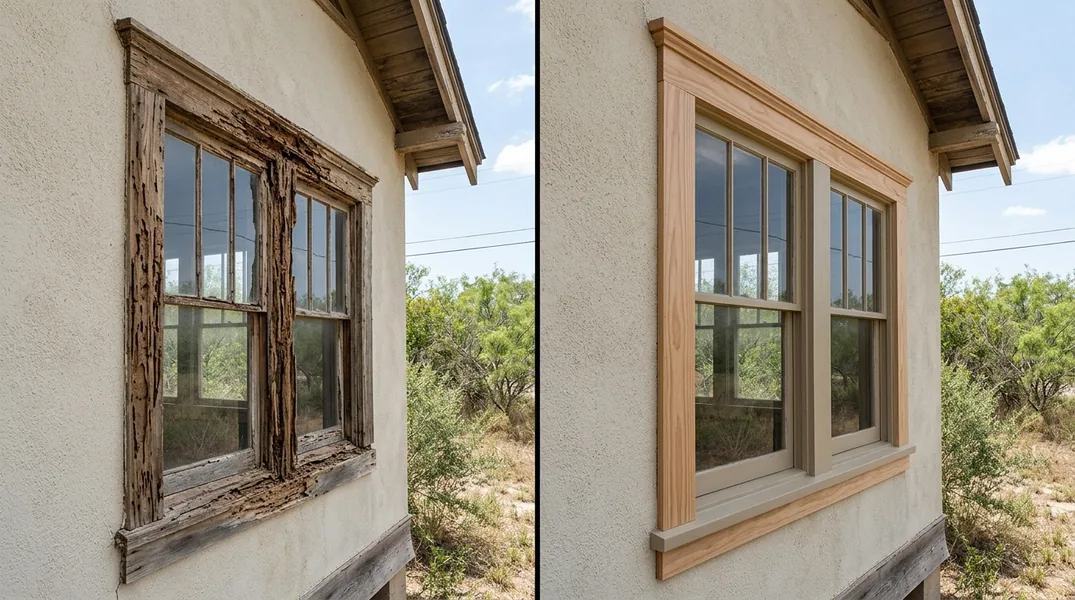
Termite Damage Repair is another critical reason why your doors may be sticking. Termites are silent destroyers that eat away at the wood in your door frames from the inside out. Unlike foundation movement, which affects the geometry of the frame, termite damage compromises the structural integrity of the wood itself. A termite damaged door frame becomes weakened and may sag, warp, or twist as the wood loses its strength.
The challenge with termites is that the damage is often invisible until it's severe. You might notice small mud tubes along your foundation, or you might see nothing at all. But inside the wood, termites have been tunneling through the cellulose, leaving behind a honeycomb-like structure that looks solid on the surface but is hollow within. When this happens to a door frame, the frame can no longer hold its shape. The weight of the door itself, combined with the structural weakness of the damaged wood, causes the frame to sag or twist. This is why your door won't close properly. If you suspect termite activity, it's essential to act quickly. Termite colonies can cause extensive damage in just a few years, and the longer you wait, the more expensive the repairs become.
Wood Rot and Dry Rot: The Moisture Connection
South Texas humidity is relentless, and that moisture finds its way into wooden door frames through cracks, gaps, and poor weatherproofing. When wood stays damp, it becomes vulnerable to Wood Rot & Dry Rot Repair. Both wood rot and dry rot are fungal infections that break down the cellulose and lignin that give wood its strength. The result is soft, spongy, or crumbly wood that can no longer support the weight and stress of a functioning door.
Unlike termite damage, which creates visible tunnels and mud tubes, rot often hides inside the wood. A door frame may look fine on the outside while the interior is completely compromised. As the rot progresses, the wood shrinks and warps. The frame loses its structural integrity, and the door begins to stick, bind, or gap. You might also notice paint peeling, soft spots when you press on the wood, or a musty smell coming from the frame. If you're dealing with rot, the frame will eventually need to be replaced. Catching it early and addressing the moisture source that caused it in the first place is crucial to preventing the problem from spreading to other parts of your home.
When to Call a Professional for Sticking Doors Near Me
Not every sticking door requires professional intervention, but knowing when to call in an expert can save you thousands of dollars in undetected damage. If your doors stick only occasionally, or if the problem is isolated to a single door, it might be a simple fix like adjusting the hinges or planing the edge of the door. However, if multiple doors throughout your home are sticking, or if the problem has developed suddenly, you're likely dealing with foundation movement, termite damage, or rot. These issues require a professional assessment to diagnose correctly and repair properly.
Laredo Carpentry specializes in identifying and repairing the root causes of sticking doors. Our team can perform a thorough inspection of your door frames, foundation, and surrounding wood to determine what's causing the problem. We provide a free estimate and will explain exactly what we find and what repairs are needed. Early detection is key. A door frame that's starting to stick might be salvageable with targeted repairs, but if you wait too long, you may need a complete frame replacement. Don't ignore sticking doors. Call us at (956) 552-9710 to schedule your inspection today.
What to Expect During a Professional Door Frame Inspection
When you contact Laredo Carpentry about your sticking doors, we'll send a trained carpenter to your home to conduct a comprehensive inspection. We'll examine the door frame itself, looking for signs of rot, warping, or damage. We'll also check the surrounding wall structure and, if necessary, assess your foundation for signs of movement or settling. We use specialized tools to measure whether the frame is still square and to identify any twisting or sagging. This detailed approach allows us to pinpoint the exact cause of your problem.
Once we've identified the issue, we'll discuss your options with you. If the problem is foundation movement, we may recommend monitoring the situation or consulting with a foundation specialist. If it's termite damage, we'll outline the scope of the damage and explain the repair process. If it's rot, we'll discuss whether the frame can be salvaged or needs replacement. Our goal is to give you complete transparency about what's happening and what it will cost to fix it. For pricing information on frame repairs and other carpentry services, visit our website or contact us directly. We serve Laredo and the surrounding areas with professional, honest service you can trust.
Looking for a professional carpentry contractor in Laredo? Laredo Carpentry responds fast for all your carpentry needs.
Get a Free QuoteOur services: Wood Rot & Dry Rot Repair · Termite Damage Repair · Floor Joist & Subfloor Repair